
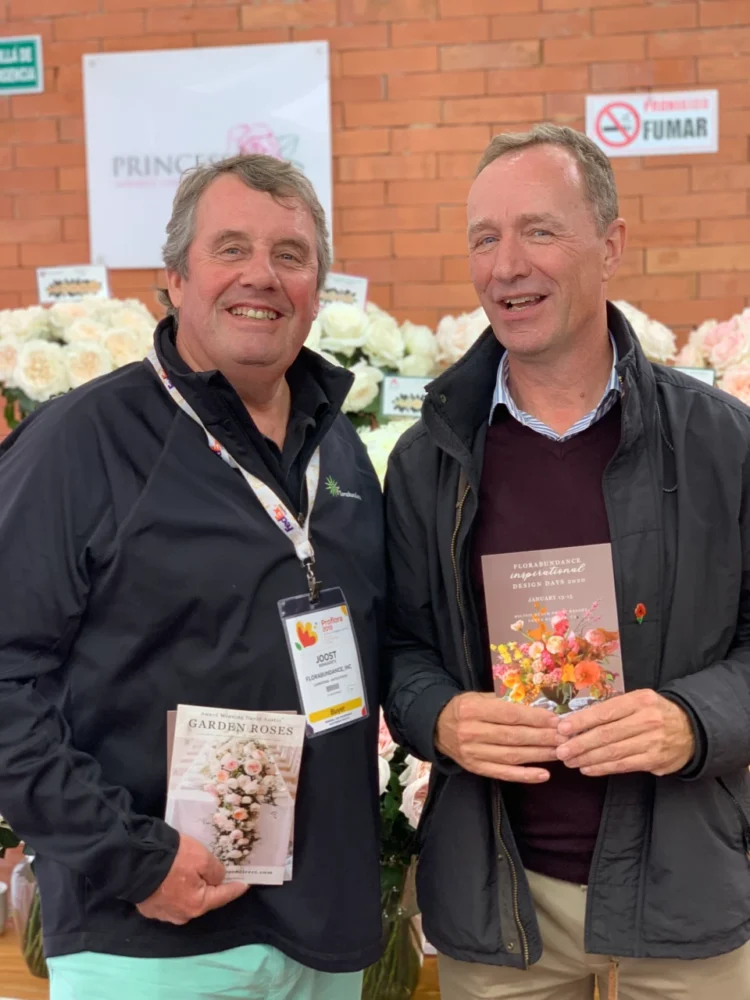
David J. C. Austin: A Legacy of Beauty, Fragrance and Performance
Few families have had a greater influence on the modern rose than the Austin family of Albrighton, Shropshire.
We were deeply saddened to learn of the passing of David J. C. Austin, Chairman of David Austin Roses. David died at his Shropshire home surrounded by his family.
He joined the family company in 1990 and led it for more than thirty years, carrying forward his father’s breeding vision while helping build David Austin Roses into an internationally recognized name.
For those of us who work closely with garden roses, David’s legacy is especially meaningful. He helped bridge two worlds: the romantic English rose growing in a garden and the commercially grown cut rose used by floral designers for weddings and events.
A Visit I Will Always Remember
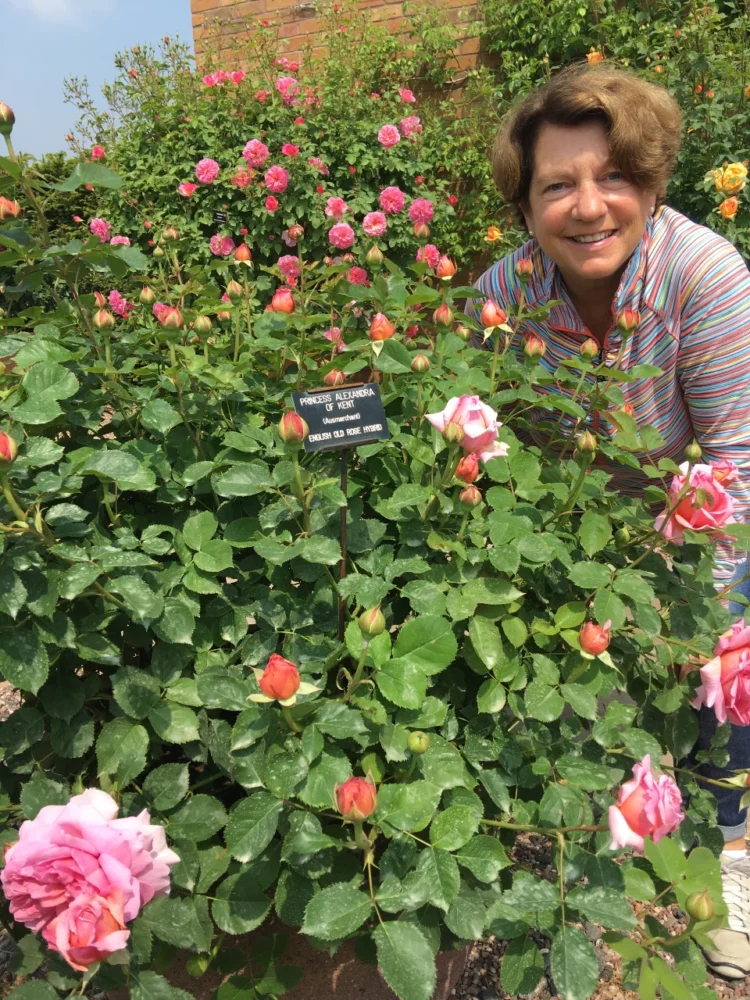
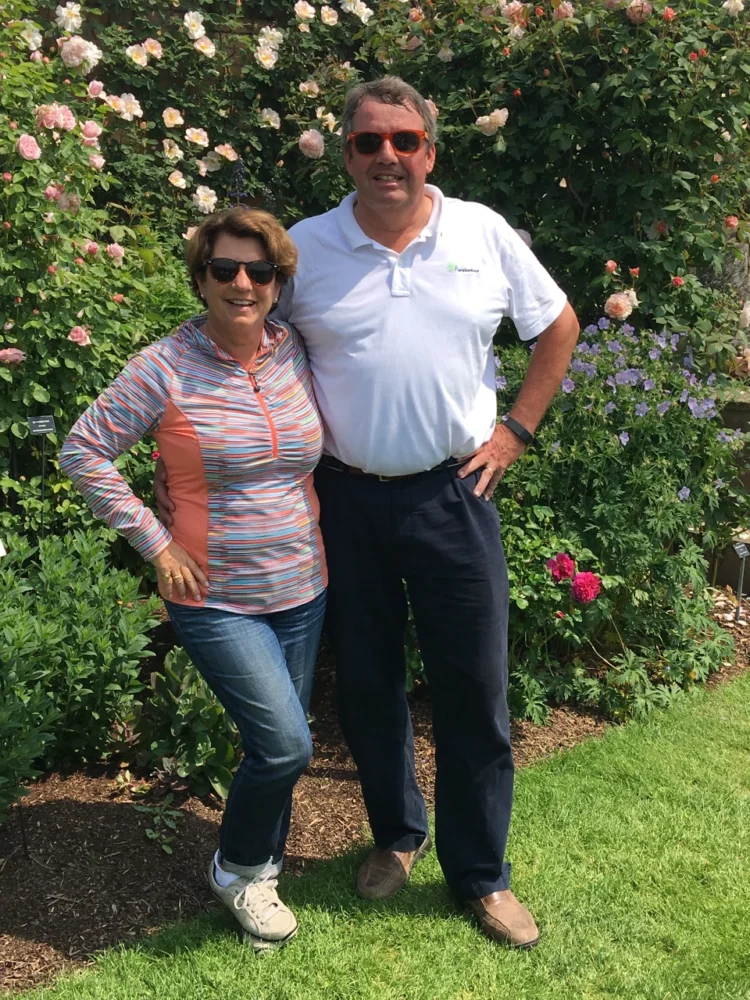
My wife Alexandra and I visited the David Austin nursery in June 2016 while traveling in England with friends.
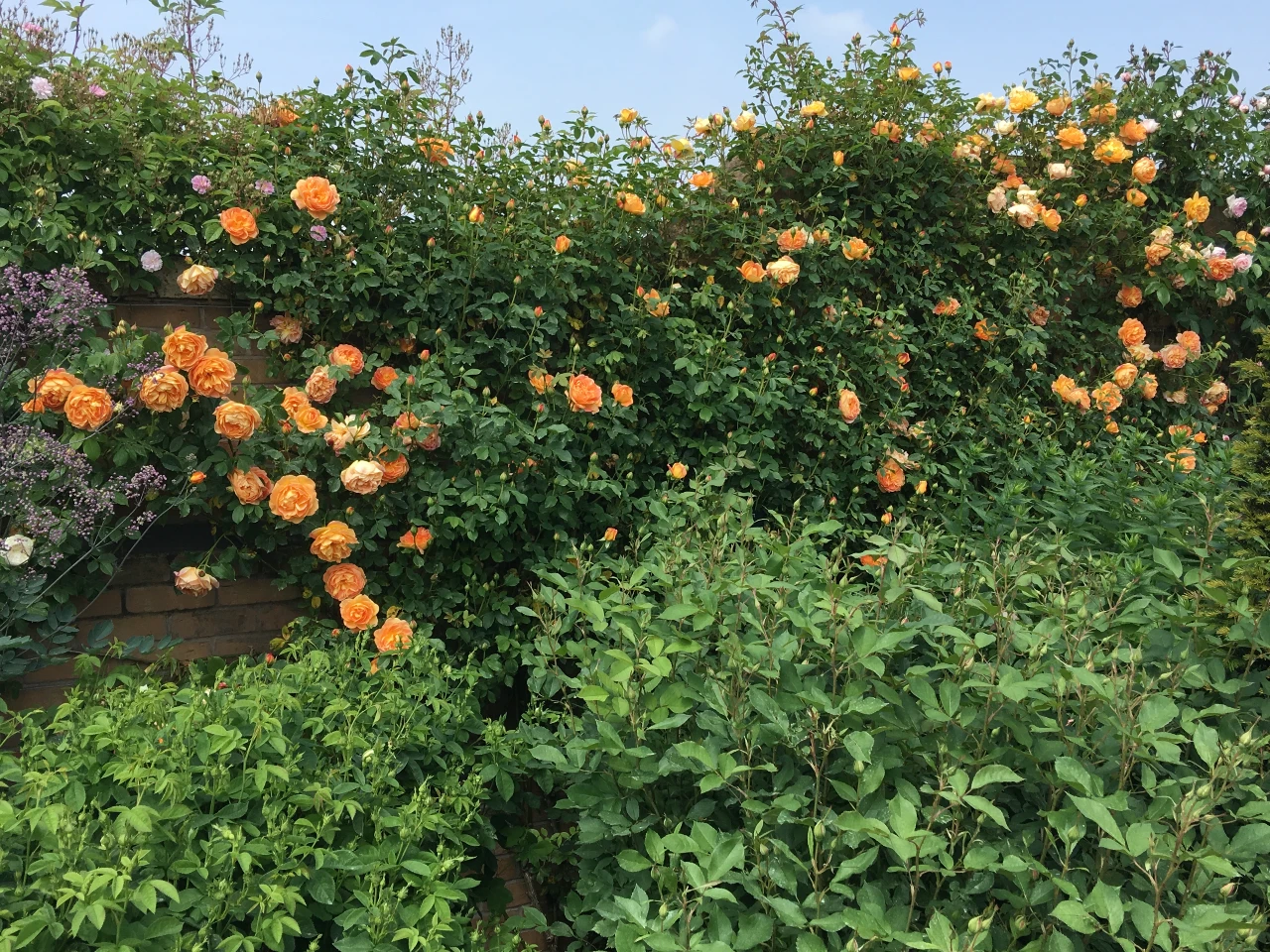
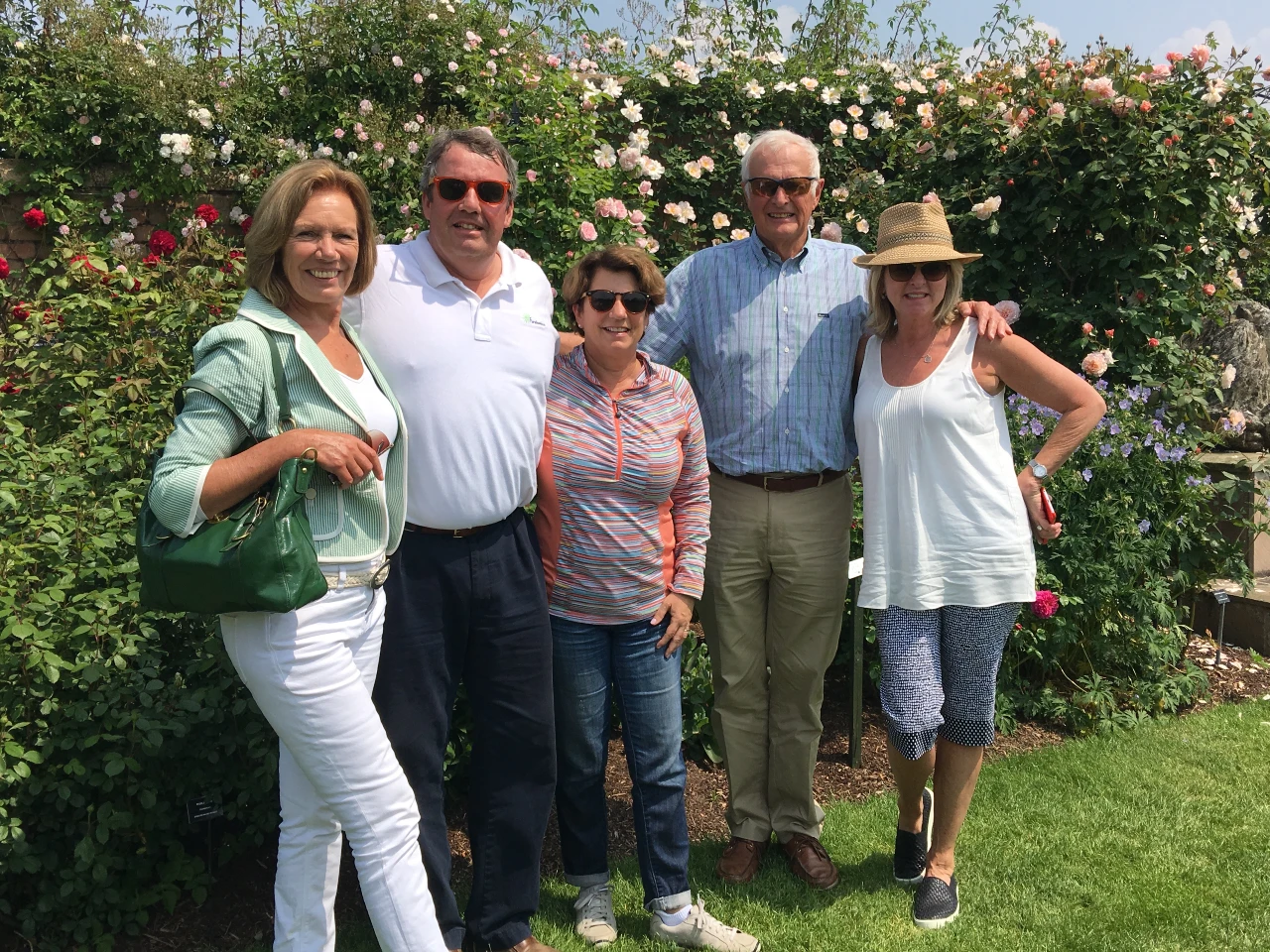
We took the train from London to Albrighton and spent a memorable day touring the nursery and gardens. We enjoyed a fabulous lunch and had the rare opportunity to meet both David J. C. Austin and his father, David C. H. Austin.
The nursery was beautiful, but what impressed me most was their knowledge and patience. They understood that breeding an important new rose could not be rushed.
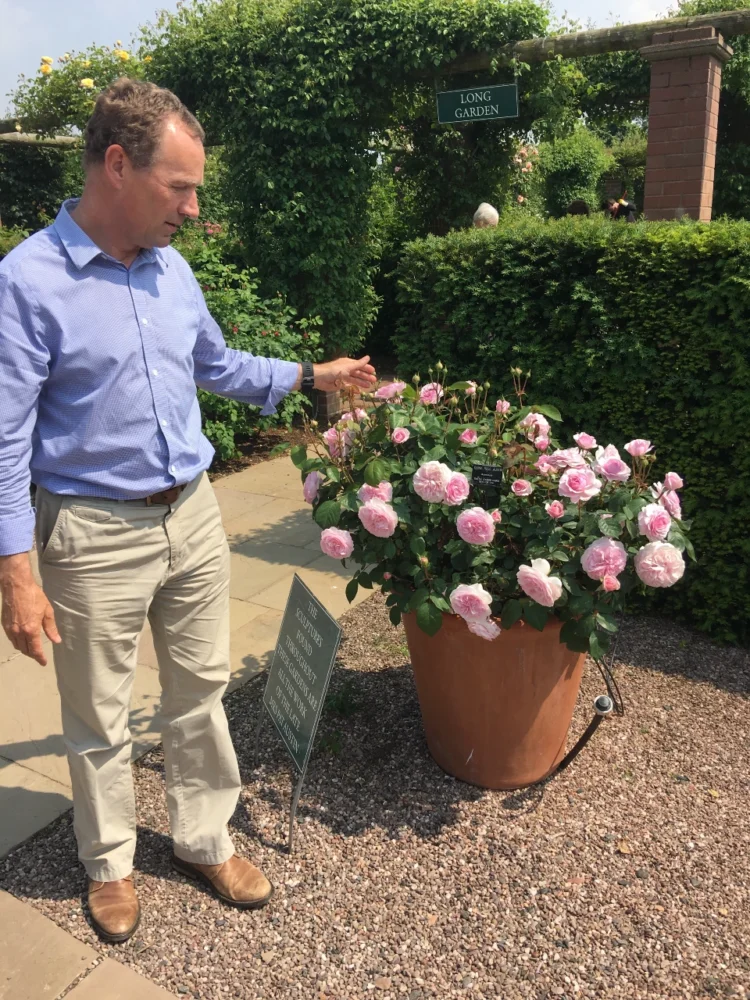
David showed me Olivia Rose Austin, the garden rose named for his daughter. I have a photograph of him showing me the bloom, along with photographs of David and his father together. They are wonderful reminders of a family whose lives were so closely connected to roses.
Two Different Types of David Austin Rose
There is sometimes confusion between a David Austin rose bred as a garden plant and one bred as a commercial cut flower.
The famous English shrub and climbing roses were developed for gardens. They were selected for qualities such as fragrance, repeat flowering, plant health, garden performance and the distinctive old-fashioned flower forms for which David Austin became famous.
The Wedding and Event Roses, by comparison, were bred specifically for professional floristry and are commercially produced in greenhouses. The cut-rose breeding program began in 1995 as a collaboration between David C. H. Austin and his son, David J. C. Austin.
The goal was ambitious: create a rose that looked and smelled like it came from an English garden but could also be harvested, graded, packed, shipped and used successfully in a wedding.
The Difficult Balance Between Fragrance and Longevity
During our visit, we discussed how difficult it is to combine strong fragrance with dependable vase life.
Fragrance is one of the most emotional qualities of a rose, but it can be difficult to preserve while also breeding for strong stems, reliable production, disease resistance, shipping performance and longevity.
A commercially successful variety must satisfy several people:
- The breeder must believe it is truly distinctive.
- The licensed grower must be able to produce it economically and consistently.
- The wholesaler must be able to transport and handle it properly.
- The floral designer must be able to depend on it.
- Finally, the bride or flower recipient must fall in love with it.
Reaching that point can take more than a decade. Hundreds of thousands of seedlings may be evaluated, with only a tiny fraction ever being selected and named.
The Importance of the Licensed Grower
Breeding the variety is only the beginning.
David Austin maintained very high standards when selecting and licensing growers. A beautiful rose can only reach its full potential when it is grown, harvested, hydrated, graded, packed and cooled correctly.
Alexandra Farms, Green Valley Floral and Rosaprima have played important roles in growing David Austin Wedding Roses for the North American market. Tambuzi Roses in Kenya has also been part of the carefully selected international growing network.
These farms understood that the Austin name represented more than a flower. It represented fragrance, form, presentation and consistency.
That partnership between breeder, grower, wholesaler and designer made it possible for these roses to be used at weddings and events around the world.
Roses That Open and Transform
One of the pleasures of working with David Austin cut roses is watching them develop.
They frequently arrive as firm, carefully protected buds. After conditioning and hydration, the petals begin to loosen. Over the next several days, the flowers reveal their full shapes, centers and fragrance.
This transformation is part of their beauty.
Varieties such as Juliet, Patience, Leonora, Beatrice, Keira and Constance each have their own character. Some form deep cups, while others develop into broad rosettes or loose, ruffled blooms.
They are not flowers that simply sit in an arrangement. They continue to open, change and become more beautiful.
Continuing the Austin Family Story
David J. C. Austin was not only the son of a famous breeder. He was the leader who helped protect his father’s vision and carry it into the worldwide garden, wedding and floral industries.
David Austin Roses has stated that the company will continue under its experienced leadership team, working closely with the next generation of the Austin family.
At Garden Roses Direct, we are proud to have helped floral professionals and flower lovers experience the roses created through this extraordinary breeding program.
We extend our deepest sympathy to David’s children, Richard, James and Olivia, the entire Austin family and everyone at David Austin Roses.
David’s work will continue to be seen in gardens, bridal bouquets and floral designs around the world.
His legacy is one of patience, uncompromising standards and an enduring belief that a rose should be more than beautiful—it should have fragrance, character and soul.